Navigating Cancer Care: Essential Insights on Treatment Options and Patient Support
Cancer is a word that can bring fear and uncertainty, but understanding treatment paths can empower patients and their families. The advancements in oncology have opened doors to a multitude of cancer treatment options, from traditional chemotherapy to innovative immunotherapy. How do these treatments work, and which is the right choice for you? In this blog, we will dive into the different therapies available, share patient support techniques, and highlight vital health tips that can help navigate the challenging waters of cancer care.
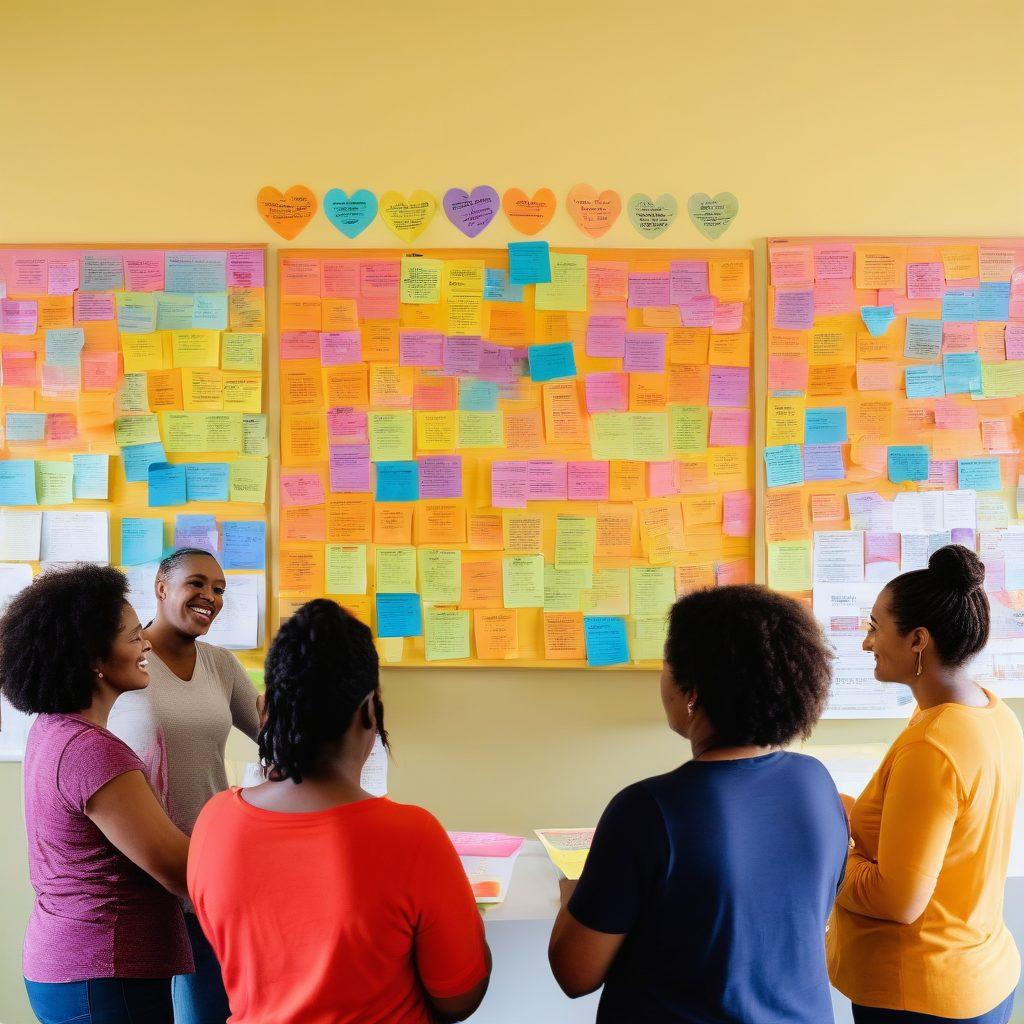
Chemotherapy has long been a cornerstone of cancer treatment, targeting rapidly dividing cells—a characteristic of many malignancies. While it has proven effective for various types of carcinoma and tumors, it comes with its fair share of side effects. Picture yourself in a support group, sharing your experience with fellow patients; you might hear someone say, 'Chemotherapy is not just a treatment; it's a journey.' This statement encapsulates the emotional and physical toll of the process while reminding us that we are not alone in this struggle. Thus, understanding the side effects and having symptom management strategies in place is vital for mental health during the treatment. What techniques have you found helpful in managing chemotherapy's effects?
In recent years, immunotherapy has emerged as a promising alternative in the fight against cancer. This cutting-edge approach leverages the body’s immune system to combat tumors. Imagine being on the frontline, armed not with weapons of war but with the incredible power of your own body—a true testament to the potential of cancer research. It's fascinating to consider that treatments like checkpoint inhibitors and CAR T-cell therapy are not about eliminating the cancer but training your body to recognize and defeat it. With clinical trials leading the charge, there are more options now than ever before. Have you explored clinical trials as a possible avenue in your cancer treatment journey?
Radiation therapy also plays a significant role in cancer care, often used in conjunction with chemotherapy and surgery. Like a superhero fighting the bad guys, radiation targets specific areas of the body containing cancerous cells. However, understanding the stage of cancer is critical in determining the effectiveness of radiation therapy. It's essential to have candid conversations about the goals of treatment—whether it’s curative, palliative, or supportive—once diagnosed with cancer. How open are you to discussing your goals with your oncology team?
Lastly, one cannot underestimate the importance of a holistic approach to cancer care. Engaging in healthy diet practices, lifestyle changes, and support groups can make a significant difference in the journey to recovery. Nutrition for cancer patients is paramount, promoting wellness while boosting resilience during treatment. Survivorship programs can foster long-term, holistic support tailored to individual needs. Remember that you are more than a cancer diagnosis; you are a person deserving of love, care, and community resources. What are your go-to health tips for maintaining wellness during cancer treatment? Together, we can not only raise cancer awareness but also advocate for the best patient support, one empowered conversation at a time.
The Role of Patient Support: Navigating Resources and Community for Better Outcomes
In the labyrinth of cancer care, where the paths are often steep and winding, patient support emerges as a beacon of hope and guidance. Navigating the complexities of oncology—from understanding carcinoma to exploring treatment options like chemotherapy, radiation therapy, and immunotherapy—can feel overwhelming. Yet, as the saying goes, "It takes a village to raise a child," and in the journey of cancer diagnosis and treatment, it certainly takes a community to support a warrior battling this malignancy. So, how can we tap into the rich resources available to improve outcomes and foster resilience amongst patients and their families?
Imagine, for a moment, standing at the crossroads of decision-making—facing choices that will shape the course of your cancer care. It's crucial to remember that no one has to walk this journey alone. Support groups can be a lifeline, bridging the gap of isolation that often accompanies a cancer diagnosis. These gatherings not only provide emotional comfort but also serve as a platform for sharing valuable health tips and experiences, empowering individuals to manage the symptoms and navigate the challenges of their specific stage of cancer. Have you ever wondered how much strength lies in shared stories?
As you delve deeper into the world of cancer care, it becomes apparent that understanding resources like survivorship programs and community support can significantly enhance wellness. Engaging with fellow patients, caregivers, and advocacy groups can lead to a wealth of information about preventive measures and nutrition for cancer patients. Developing a healthy diet becomes not just a suggestion, but a cornerstone of recovery and resilience. Have you thought about the impact of your daily choices on your journey toward health?
Moreover, the integration of patient advocacy and engagement with clinical trials can open doors to cutting-edge cancer treatment options. As the landscape of cancer research continues to evolve, exploring alternative therapies may provide additional avenues for symptom management and improved quality of life. The advancements in treatments like immunotherapy are transforming the approach to malignancy treatment, offering hope that resonates through the hearts of many. What innovative therapies have caught your attention recently?
Lastly, let’s not underestimate the importance of mental health and lifestyle changes alongside physical health. It is essential to nurture the mind and spirit as much as the body throughout this journey. Whether it’s incorporating mindfulness practices, seeking professional counseling, or simply joining an online health blog to share your experience, the steps toward mental wellness are profound. The question remains, how will you leverage the support available to you to not just survive but thrive in your cancer care journey? Let's embrace the power of community—together, we can create a tapestry of support that leads to better outcomes and newfound hope.
Empowering Survivorship: Wellness Tips and Nutritional Guidance for Cancer Patients
In the journey of battling malignancy, the path often feels overwhelming. With countless decisions to be made regarding cancer treatment options, from chemotherapy and immunotherapy to palliative care, knowing the right steps to take can empower you. As you navigate cancer care, it’s essential to acknowledge the impact of survivorship programs, which focus not only on treatment but also on wellness and nutrition for cancer patients. So, how can we cultivate a thriving life even in the face of adversity? Let's explore the fundamental aspects of empowering survivorship through effective wellness tips and nutritional guidance.
Imagine this: after months of treatment, a patient stands at the precipice of survivorship. The cancer diagnosis has changed their life, yet they now recognize the power of choice—particularly when it comes to their health and well-being. We often hear that the journey of cancer treatment often doesn't end once the tumor is removed or the last chemotherapy session concludes. Instead, there's a pivotal shift toward embracing a healthy diet and making lifestyle changes that support long-term wellness. What if I told you that these choices could not only enhance your recovery but also improve your quality of life?
Nutrition plays a critical role in cancer care, serving as a powerful ally in healing and symptom management. According to cancer research, a healthy diet can immensely bolster your immune system, helping you prepare for potential challenges from treatments. When planning meals, think vibrant vegetables, antioxidant-rich fruits, and lean proteins. It’s all about fueling your body! Consider joining a support group where people share their experiences and tips on navigating the complexities of healthy nutrition for cancer patients. Could a shared meal or recipe swap be the spark for new friendships and discoveries?
While dietary choices are fundamental, mental health is equally vital in the journey toward survivorship. Cancer caregivers and survivors can often overlook the psychological impact of this battle. Engaging in community resources such as therapy or mindfulness practices can significantly enhance mental resilience. Isn’t it fascinating how just a simple practice of gratitude can change your outlook? These facets of mental health are often underutilized in cancer care; however, they are crucial to the well-being of each survivor. So, how do you prioritize your mental health amidst the whirlwind of appointments and treatments?
As we wrap up our exploration, it's important to remember that survivorship does not mean the absence of cancer; rather, it’s about living fully with it. Integrating alternative therapies, lifestyle changes, and support systems can lead not only to physical but also emotional empowerment. As you navigate through survivorship programs, embrace the camaraderie that exists within patient advocacy and support groups. Engage with those who share similar experiences and stories. After all, your journey is unique, yet shared—reaching out to others can ignite hope. What will your first step be toward a healthier, more empowered life?